Anerley Storage Recycling and Sustainability
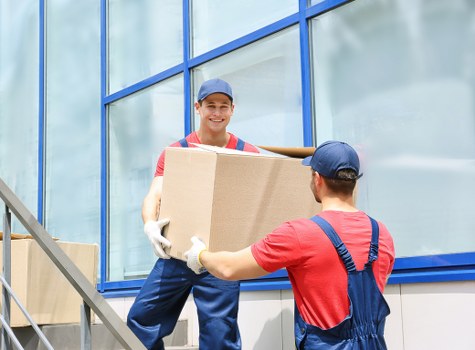 At Anerley Storage, recycling and sustainability are built into the everyday running of the site. Our approach to recycling at Anerley Storage focuses on reducing waste, separating materials properly, and choosing lower-impact operations wherever possible. We aim to support responsible reuse across the local area while making sure customers and partners can trust that environmental priorities are taken seriously. A key part of this commitment is setting a clear recycling percentage target: we are working toward diverting at least 75% of operational waste from landfill through reuse, recycling, and responsible recovery routes.
The local context matters too. In this part of south London, waste management often reflects borough-led separation systems, where mixed recyclables, food waste, and residual waste are handled through different streams. That boroughs approach to waste separation encourages cleaner sorting, which in turn improves the quality of recovered materials. Richer recycling outcomes begin with better separation at source, so we support methods that keep cardboard, plastics, metals, and paper in the right place from the outset. This includes clear internal sorting, responsible disposal of bulky items, and close attention to material quality.
We also recognise the importance of local transfer stations in creating a practical and efficient recycling chain. By using nearby transfer stations, Anerley Storage can keep collections more efficient, reduce unnecessary mileage, and help direct waste toward approved treatment and recovery facilities. These hubs are an essential link between local commercial activity and wider recycling networks. They help ensure that materials are weighed, sorted, and transferred into the right downstream process, whether that is reprocessing, energy recovery, or specialist handling for harder-to-treat waste.
 Our Anerley Storage sustainability plan also includes partnerships with charities, because the most sustainable item is often the one that can be used again. We work to identify suitable furniture, office items, shelving, packaging supplies, and other reusable goods that may be passed on through charity partnerships rather than discarded. These collaborations help extend the life of valuable items, reduce disposal volumes, and support community organisations that benefit from affordable or donated resources. In practice, this means treating reuse as the first option whenever items still have useful life left.
Where suitable, we separate items for donation, material recovery, or specialist recycling. This can include cardboard baling, pallet reuse, metal segregation, and responsible handling of plastics and mixed packaging. In boroughs where waste separation is especially well established, clean streams are easier to maintain, and that makes a measurable difference to recycling performance. The same applies to office clearances and storage-related disposals, where careful sorting can turn a large portion of what might have been waste into recoverable resource. Our objective is to make recycling at Anerley Storage practical, consistent, and measurable.
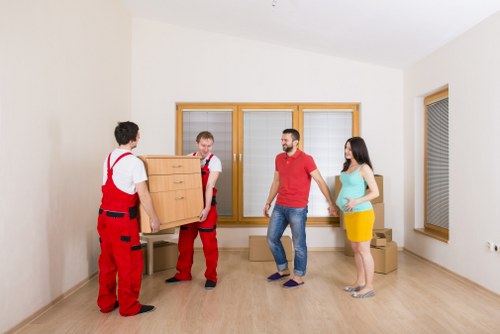 Transport is another area where we can make a meaningful reduction in carbon impact. We are introducing low-carbon vans into our operations as part of a wider effort to lower emissions from local collections and deliveries. These vehicles support a cleaner logistics model by reducing tailpipe emissions and improving fuel efficiency. For a storage business, delivery and collection journeys happen frequently, so even modest improvements add up over time. Choosing lower-emission vehicles is one of the clearest ways to align daily operations with long-term sustainability goals.
Our low-carbon fleet strategy also works alongside smarter route planning and better load optimisation. By combining multiple collections, reducing empty miles, and using vehicles suited to local urban journeys, we can cut unnecessary fuel use. This matters in a dense area where traffic, short trips, and frequent stopping can all increase emissions. Alongside the vehicle plan, we focus on staff awareness so that sustainability is not limited to a single initiative but becomes part of the overall Anerley Storage recycling culture. From waste segregation to journey planning, every step is an opportunity to improve.
Another important element is our approach to material recovery from packaging and operational supplies. Cardboard, shrink wrap, paper, and certain plastics are routinely collected and separated where local facilities can process them effectively. In areas served by borough-led waste systems, the distinction between clean recyclables and general waste is especially important, so we emphasise tidy storage, labelled containers, and careful handling. This helps maintain higher recycling yields and reduces contamination, which can otherwise compromise entire loads. Good recycling practice is as much about process as it is about intent.
 We also look at sustainability through the lens of circular economy principles. That means extending product life, minimising disposal, and favouring recovery routes that keep materials in circulation for as long as possible. Through charity partnerships, reuse-led clearances, and responsible routing via local transfer stations, Anerley Storage can reduce the environmental cost of the services it provides. This approach supports both the local community and broader regional recycling goals, while making our operations more resilient and resource-aware.
 Looking ahead, our commitment is to keep improving the recycling percentage target year by year, with transparent internal measurement and regular review of waste streams. We want to increase the share of materials sent for reuse and recycling, reduce residual waste, and continue investing in low-carbon vans and efficient logistics. Just as importantly, we will keep strengthening charity partnerships and cooperating with local transfer stations so that reusable and recyclable items are handled responsibly. At Anerley Storage, sustainability is not a side project; it is part of how we operate every day.